












As Name, Image and Likeness (NIL) deals have emerged for seemingly every known collegiate athlete, college sports have never looked more like professional athletics. With professional sports comes free agency, which raises the question: Should college athletes be allowed to enter the transfer portal? Is the constant reshuffling ruining the integrity of amateur athletics?
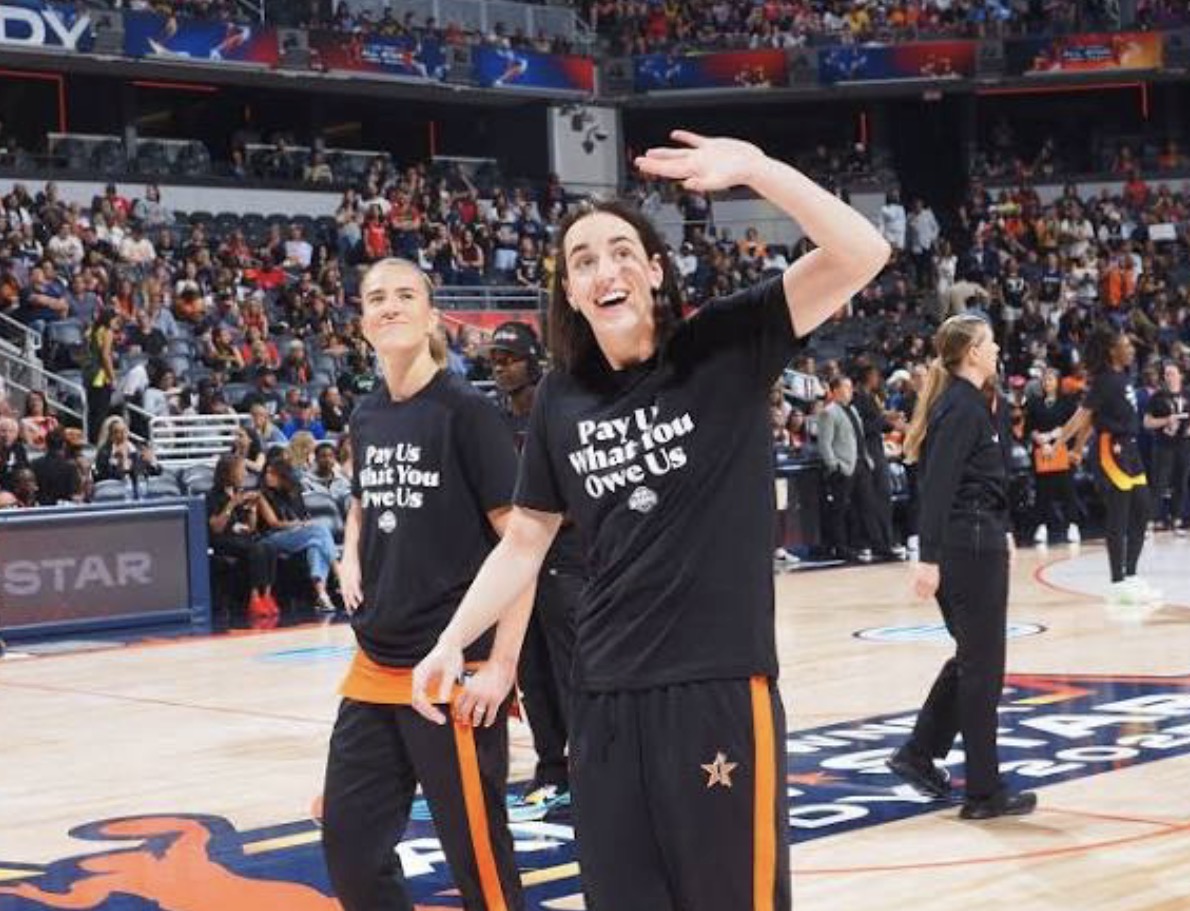
College sports used to be about loyalty and development. When Michigan State fans purchased groovy green gear back in the day, they knew they would be supporting Magic Johnson on their favorite Spartan team until he graduated. Caitlin Clark was praised across the midwest for years because she chose to stay home and bring a winning season and championship game to Iowa, rather than chasing money and fame at a larger, more competitive program. However, that is not always the case. College athletes have seemingly no regulations holding them back from switching schools as soon as the season ends. According to the NCAA Transfer Portal Data, 15,075 college athletes entered the portal in 2024. It also is not unheard of that athletes transfer to more schools than years they spend in college. That is what happened when quarterback T.J. Finley spent time at LSU, Auburn, Texas State, Western Kentucky and Georgia State during his collegiate career.
The current transfer portal rules state the following: “Under current NCAA Division I rules, athletes can transfer as many times as they want and still be immediately eligible to play at their new school, as long as they are academically eligible and meet progress-toward-degree requirements. There is no longer a limit on the number of transfers.” In years prior, athletes were penalized for transferring and were required to sit out a year before they could compete on their new college team. While this discouraged athletes from taking advantage of transfer freedom, it was incongruent with transfer rules for regular students. If a typical college student is homesick and transfers back across the country, they are not penalized for making the change. There is no timeframe they must wait before joining any organizations on their new campus. An additional factor that draws athletes to the transfer portal is the availability of better NIL deals at different universities. NIL money mainly comes from outside sources and donation funding, which can vary greatly. When athletes leave for better NIL deals, rosters can change dramatically from year to year. This makes it harder for teams to build chemistry, develop players long-term or maintain a clear identity. Coaches are forced to recruit year-round, often rebuilding entire teams rather than developing players over time. Fans often feel disconnected when lineups reset every season.
Despite the inconsistency, it must be noted that college athletes have access to an abundance of resources that regular students do not enjoy. There is certainly a reasonable middle ground between eliminating transfers and allowing college kids to transfer immediately following a bad game. Roughly one-third of college students transfer institutions before earning their degree, and students who pursue higher education typically attend one to two institutions. One possible solution could be limiting college athletes to one free transfer before requiring them to appeal or go through a more complex process and potentially face penalties before transferring again. Creating a balance between player freedom and program stability is one of the greatest challenges that college athletics faces today. While there is no clear solution that can please everyone, many sports fans believe this offers a compromise that gives athletes freedom without sacrificing too much program loyalty.